Search is no longer about blue links. Today, users ask ChatGPT, Gemini, Perplexity, or Google AI Overviews and get instant answers often without clicking a website. That shift is redefining how visibility works online. Ranking #1 is no longer enough. If your content isn’t selected as the answer, it disappears from the decision journey.
What is AEO?
Answer Engine Optimization (AEO) is the discipline of making your content easy for AI systems to interpret, verify, and reuse as answers. It focuses on clarity, structure, credibility, and extractability so that answer engines can confidently surface your content when users ask questions.
Unlike traditional SEO, which aims to rank web pages in search results, AEO aims to place your content directly inside AI answers. That means content must be concise, factually accurate, and modular enough for AI systems to quote without additional context.
In an AI-first discovery environment, visibility shifts from ranking pages to becoming the source behind the answer.
Where Answer Engines Show Up Today
Answer engines are no longer limited to one interface. They appear across multiple layers of modern search experiences:
Google AI Overviews and featured summaries
Chat interfaces like ChatGPT and Gemini
AI-native search engines like Perplexity
Voice assistants such as Siri, Alexa, and Google Assistant
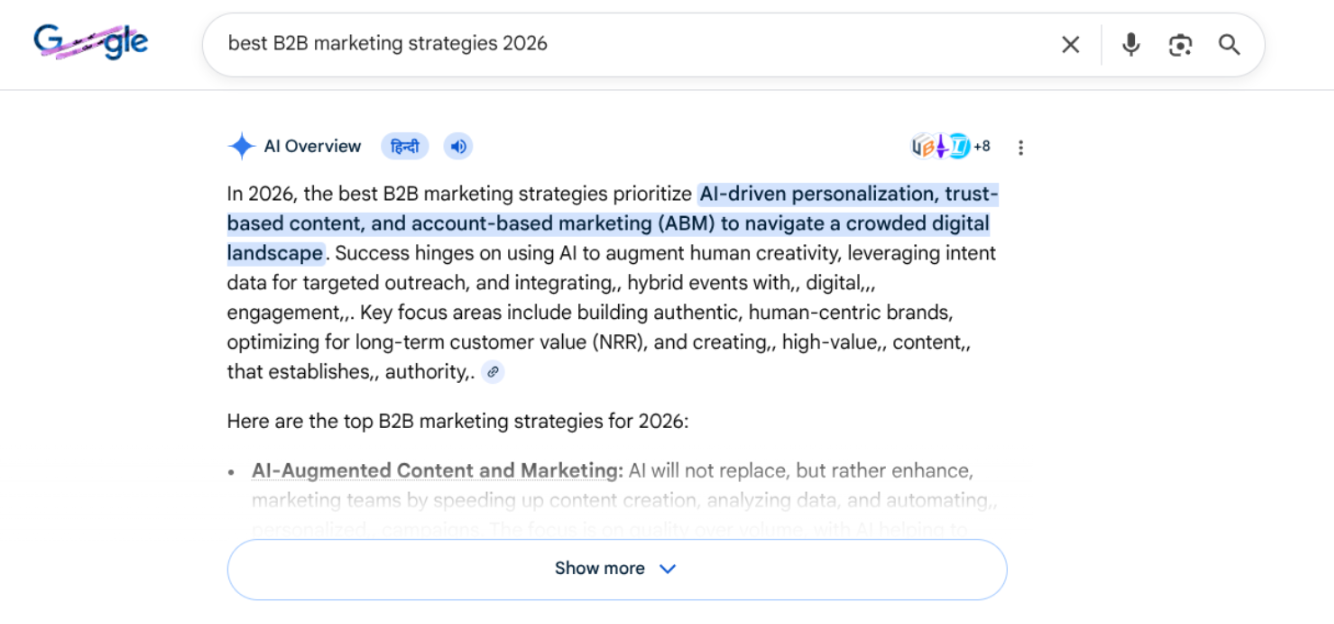
Instead of returning lists of links, these systems synthesize responses using multiple sources. That creates a new visibility layer the citation layer, where being referenced matters more than simply ranking.
AEO vs Traditional SEO
AEO doesn’t replace SEO; it evolves it. Both aim to make content discoverable, but they optimize for different surfaces.
Aspect | Traditional SEO | Answer Engine Optimization |
Primary goal | Rank pages and drive clicks | Get cited inside AI answers |
Target audience | Human searchers | AI systems + end users |
Success metrics | Rankings, CTR, traffic | Citations, mentions, AI share of voice |
Content style | Keyword-driven pages | Answer-first modular content |
Optimization focus | Backlinks, authority, keywords | Structure, clarity, extractability |
Traditional SEO optimizes for shelves (rankings). AEO optimizes for answers (citations). The difference is subtle but foundational.
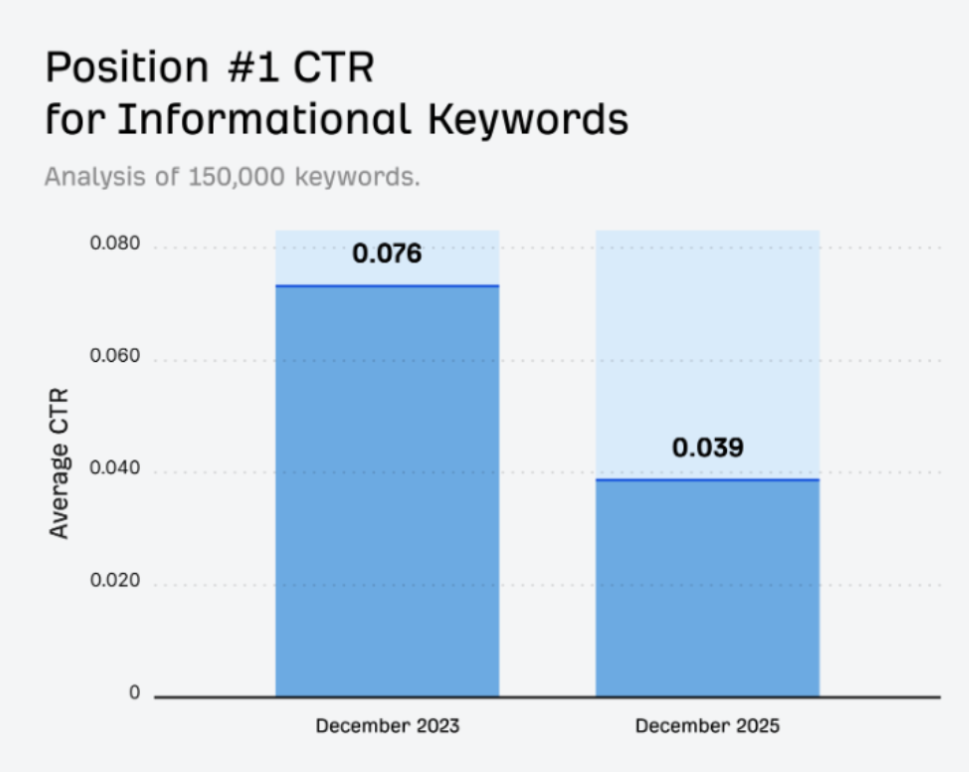
Position #1 CTR drops 49% (0.076 → 0.039) Dec 2024‑2025 across 150k keywords. Even top rankings lose clicks when AI answers appear first.
Why AEO Matters in 2026
Search behavior has shifted from fragmented keywords to conversational prompts. Users now ask full questions and expect structured responses instantly. AI systems increasingly compress the decision journey by summarizing options before a user visits any website.
This creates a discovery reality: if your brand isn’t mentioned in the answer layer, you lose influence before traffic even exists.
AEO ensures your brand becomes a source of truth when users ask direct questions. Being cited inside answers builds authority faster than simply appearing in a list of results because it positions your content as the reasoning behind the response.
Core benefits of AEO
Visibility in zero-click and AI-first search environments
Stronger brand authority through repeated citations
Better performance in voice and conversational search
Higher-quality traffic from AI referrals
Future-proof content usable across new AI interfaces
How to Optimize Content for AEO
Start with your most valuable pages, the ones already attracting traffic or answering common questions in your niche.
Think in questions, not just keywords Map the exact questions your audience asks and use them as headings. This aligns your structure with both human intent and AI parsing logic.
Lead with direct answers Under each question, begin with a concise, self-contained explanation. Follow it with deeper context, examples, and supporting detail.
Keep the structure modular Use short paragraphs, logical headings, and lists. Modular formatting makes extraction easier and improves readability.
Use structured data where relevant Schema types like FAQPage, HowTo, and Article help AI systems interpret page intent and relationships between sections.
Strengthen credibility Cite reliable data, demonstrate expertise, and keep information up to date. AI systems increasingly prioritise trustworthy, well-supported content over generic summaries.
Adding short FAQ sections at the end of key pages also increases extractability because it mirrors how users phrase questions.
Do You Need to Rewrite Old Content?
In most cases, no. A structured refresh is often enough.
Start by identifying pages that already rank for question-driven queries. Then:
Add question-style headings
Insert concise answers at the top of sections
Tighten language for clarity
Add a small FAQ section if relevant
This lightweight restructuring improves extractability without sacrificing existing SEO value.
Types of AEO Tools
Specialized tools are emerging to make AEO more measurable and repeatable. Conductor and other enterprise platforms typically group them into three layers.
AI visibility & tracking tools
Platforms like Conductor, Semrush, and Serplok monitor how often your brand is mentioned in AI answers, which prompts you win, and how AI referral traffic changes over time.
These tools benchmark your share of voice across engines like ChatGPT, Gemini, Perplexity, and Google AI Overviews.
Content optimisation/generation tools
AI writing assistants such as Jasper, Writer, and ChatGPT help generate or restructure answer‑shaped content, while content analyzers score clarity, structure, and keyword coverage.
Many now include AEO templates (definition blocks, Q&A clusters, comparison tables) to make extraction easier.
Technical AEO tools
Solutions like Schema App, QAInsights, and various schema validators handle the technical layer: markup, site speed, accessibility, and crawlability.
Their job is to ensure AI crawlers can parse your site reliably and trust that structured data reflects visible content.
Each layer plays a role: one tracks citation wins, another helps create AI‑optimized text, and a third locks down the technical health required for AEO.
The best AI SEO tools (AEO‑friendly)
There are many AI‑enhanced SEO tools, but three are especially relevant to your article:
Serplock:
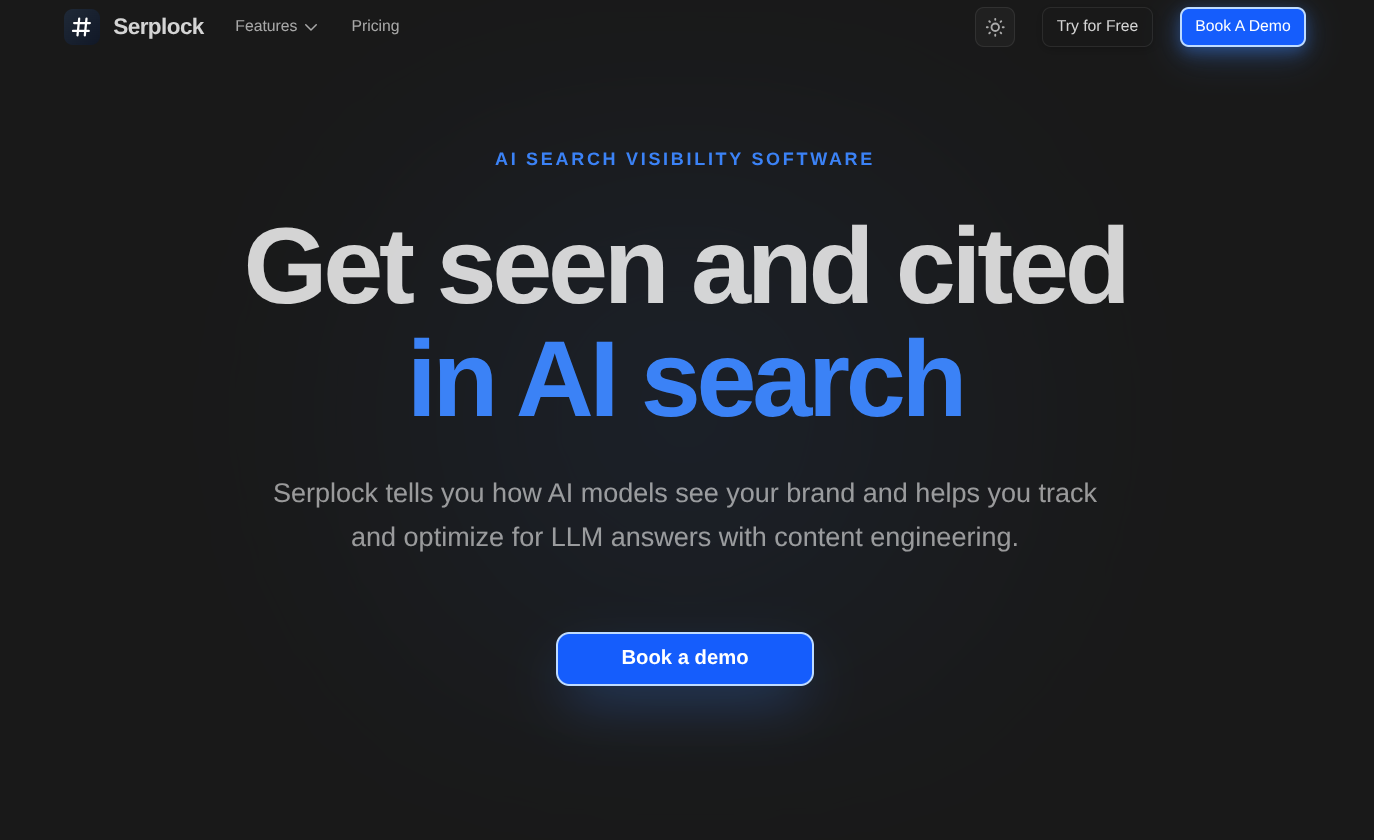
serplok focuses specifically on AI search visibility and AEO. It tracks how your brand appears inside AI‑generated answers, monitors prompt rankings across models, and identifies where LLM‑driven traffic is coming from. It’s designed for teams that want a dedicated dashboard for AI mentions, citation frequency, and brand positioning.
Semrush:
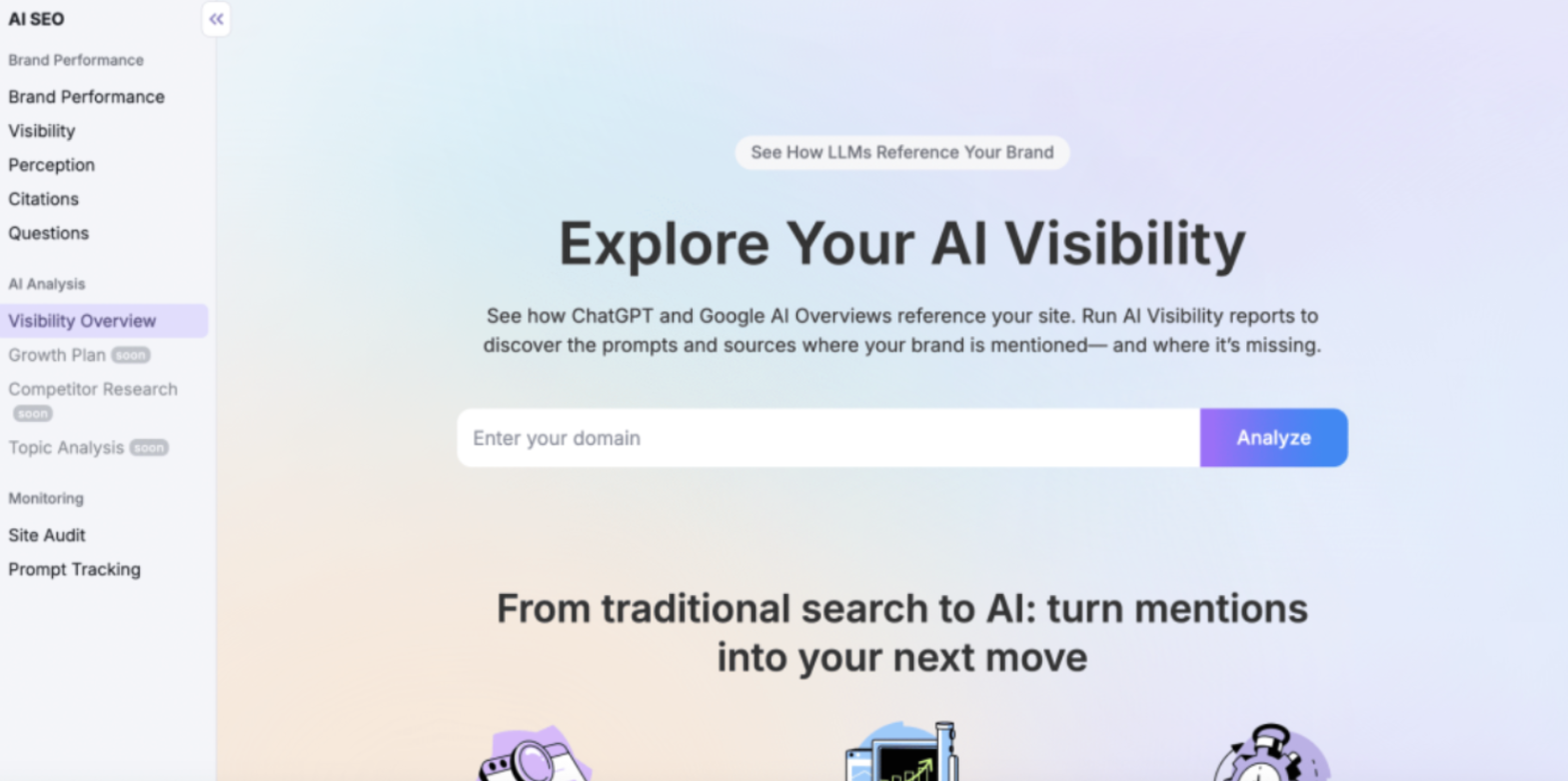
Semrush’s newer AI visibility toolkit adds tracking for how often brands appear in AI‑powered search summaries, alongside its traditional SEO analytics. It helps you benchmark AEO performance against competitors by combining rank data, snippet wins, and AI answer presence in one place.
Surfer SEO:
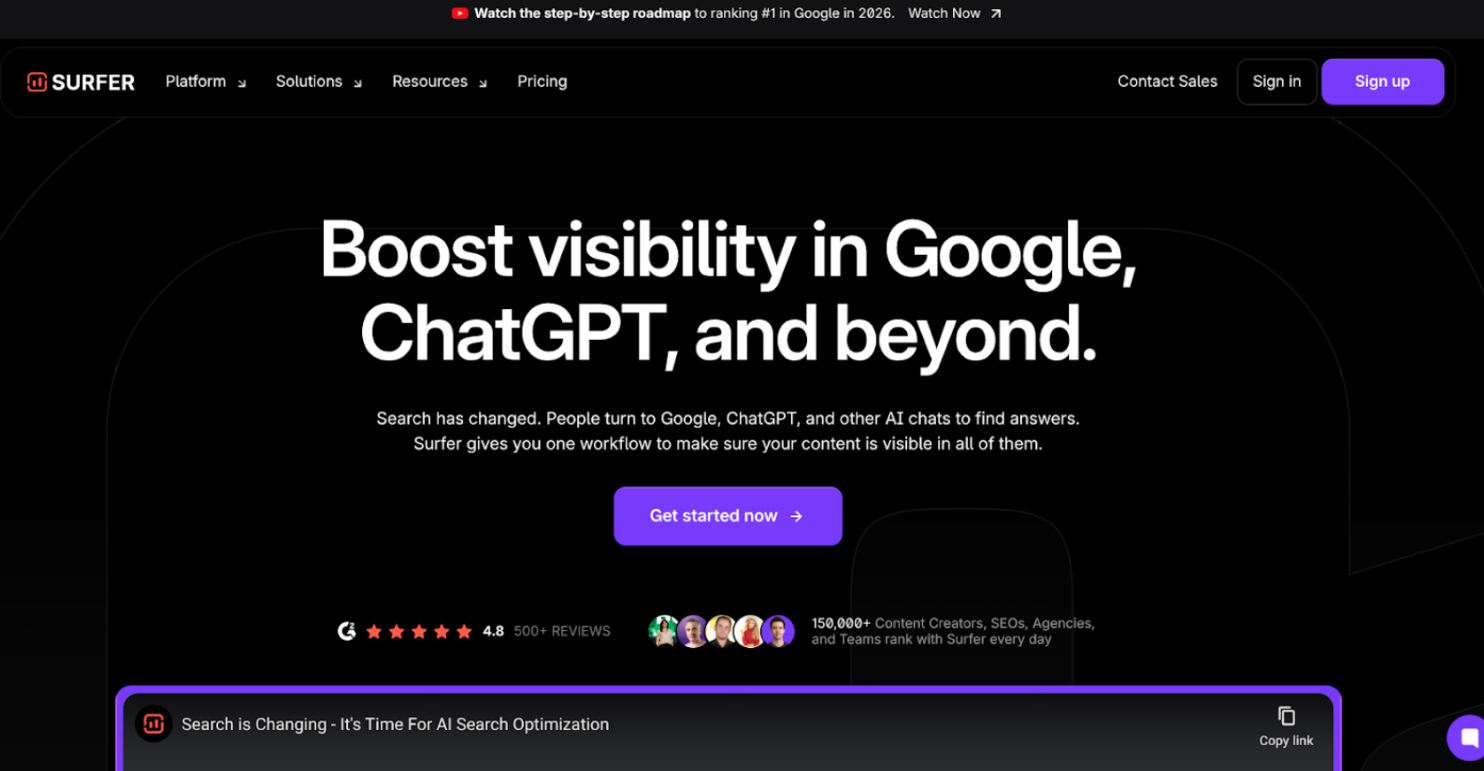
Surfer analyzes top‑ranking pages and suggests structure, headings, and NLP terms to improve both traditional rankings and extractability for AI summaries. Because it pushes you toward clear, well‑structured content, it indirectly supports AEO even though it’s not branded as an AEO platform.
How to Measure AEO Success
Measuring AEO goes beyond traditional rankings and traffic metrics. The goal is influence within answers.
Key indicators include:
AI citations and mentions
Share of voice across prompts
Question coverage in your niche
Featured snippet overlap
AI referral engagement quality
Unlike traditional SEO, where traffic is the primary KPI, AEO success is defined by how often AI systems rely on your content to respond to user questions.
Treat AEO as an ongoing system rather than a one-time optimisation.
Common AEO mistakes to avoid
Many pitfalls come from applying old SEO habits in the AI era.
Thin or generic content Pages that simply restate generic facts give answer engines no reason to cite you. AEO Radar notes that pages without unique insights, data, or clear formatting are rarely selected when better‑structured competitors exist.
Over‑reliance on unedited AI drafts Publishing AI‑generated text “as is” often produces polished but shallow content. Conductor and AirOps both emphasize that answer engines reward clear expertise and specificity; unreviewed AI copy tends to read generic and gets deprioritized.
Lack of evidence Answers that make claims without data, external references, or author credibility signals are less likely to be reused. Modern AEO best practices recommend “showing your work” with statistics, reputable links, and expert bylines where relevant.
Neglecting updates Stale pages quietly lose citations over time. AirOps reports that content going more than a year without updates can see citation likelihood drop by more than 50%, while a structured refresh program delivered a 20% increase in citations and 22% more impressions across their test set.
Technical SEO slip‑ups Hidden or inconsistent schema, invalid JSON‑LD, and messy heading hierarchies make extraction harder. Nopio’s AEO guidance for manufacturers shows that pages with clean structure plus schema markup earn significantly higher AI citation rates than structurally similar pages without markup.
Focusing only on top‑of‑funnel AEO applies across the funnel. If you only optimize broad awareness content and ignore mid‑funnel comparisons and evaluation queries, you miss opportunities where buyers are closer to converting.
Expecting instant lifts Unlike an algorithmic ranking update, AI citation patterns often shift gradually. AirOps and Conductor both frame AEO as a system: tweaks made today may compound over weeks or months as models update their internal representations.
Avoid these traps by publishing in‑depth, well‑supported content, using honest schema, keeping your site fresh, and treating AEO as an ongoing discipline rather than a one‑time checklist.
Conclusion
The shift toward answer engines is structural, not temporary. As AI systems become the first layer of discovery, visibility is moving from rankings to citations. Brands that structure content for extractability will shape how decisions are formed long before a click happens.
AEO doesn’t replace SEO it evolves it. Strong fundamentals still matter, but clarity, structure, and credibility now determine whether your content becomes the answer itself.
The earlier you adapt to answer-first content, the stronger your authority will be in an AI-driven search landscape.